

“The cartilage doc” – preserving joints instead of replacing them
Movement analysis and training
Exercise is one of the most effective medicines!
… and that is precisely why we should “prescribe” exercise just as carefully. Orthopaedic and sports medicine complaints very often have a structural and functional cause. Structural changes in muscles, bones and joints are revealed by sonography, X-ray and MRI.
Functional deficits, i.e. reduced mobility, strength or neuromuscular control, are best recognized with structured movement analyses and corrected in a second step with functional exercises.
I therefore consistently use structural and functional diagnostics with my athletes and patients. Together with my team of sports therapists, we then guide patients through individual training programs in a 1:1 coaching session. This allows us to effectively “prescribe” exercise.
Germany moves too little
The DKV Report 2023(https://www.dkv.com/downloads/Praesentation_DKV_Report_2023_final.pdf) once again shows the enormous deficits that exist in Germany in the area of physical activity behavior.
Why is there no structured preventive care for the musculoskeletal system like the annual check-ups for children, annual visits to the dentist or car inspections?
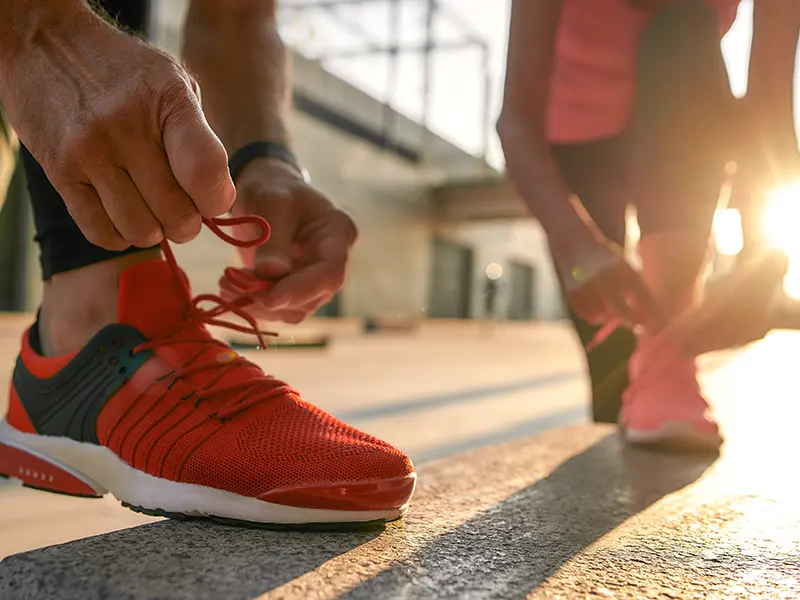
I can’t answer this question. However, I offer movement analysis as a screening for precisely this reason. This allows us to identify deficits in the musculoskeletal system before they cause discomfort. We rely on very basic procedures such as the Functional Movement Screen and innovative and motivating tools such as our SKILLCOURT.
All development begins in the mind – SkillCourt training
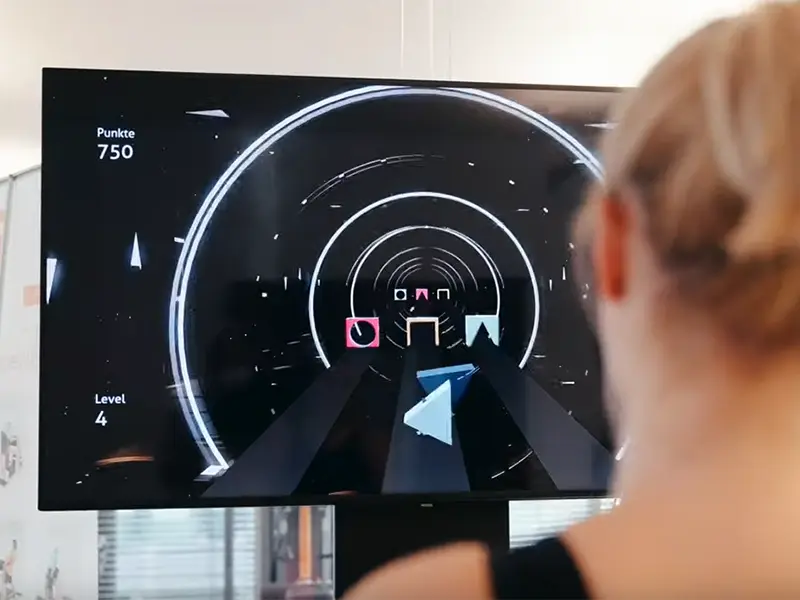
SkillCourt training systematically combines physical and cognitive training. The Beta Klinik is the first practice in Germany to use neuroathletics for the screening and training of our sports medicine, orthopaedic and neurological patients with the SkillCourt. In addition to strength and mobility, the SkillCourt also trains the brain in a playful way.
The playful elements make the training fun and the athlete or patient is rewarded with new connections between the brain cells. These so-called “synapses” are partly responsible for people becoming less susceptible to stress, seniors actively contributing to the prevention of dementia, pupils and students being able to concentrate better and athletes achieving an improvement in their reactions.
Specialist for movement with over 30 years of experience
Since the age of 15, I have worked first as a martial arts trainer and then, when I started studying, as a fitness and personal trainer. In recent years, my focus has been on the training and further education of trainers, therapists and doctors in the areas of screening and sports medicine.